Support teams are the backbone of customer satisfaction, yet they face immense pressure daily. Building resilience and managing stress effectively transforms team performance and individual well-being.

🎯 Understanding the Unique Pressures Facing Support Teams
Customer support professionals operate in a high-stakes environment where every interaction matters. They navigate demanding customers, tight deadlines, and constant problem-solving while maintaining composure and professionalism. This continuous emotional labor creates unique challenges that organizations must address systematically.
The modern support landscape has evolved dramatically. Teams now manage multiple communication channels simultaneously—email, chat, social media, and phone calls—creating a fragmented workday that prevents deep focus. This constant context-switching amplifies cognitive load and contributes significantly to mental exhaustion.
Research consistently shows that support professionals experience burnout at rates higher than many other professions. The combination of emotional demands, performance metrics, and limited control over work circumstances creates a perfect storm for chronic stress. Understanding these pressures represents the first step toward meaningful intervention.
🔍 Recognizing the Hidden Costs of Unmanaged Stress
When stress goes unaddressed in support teams, the consequences ripple throughout the entire organization. Employee turnover increases dramatically, taking with it valuable institutional knowledge and customer relationships. The financial impact extends beyond recruitment costs to include lost productivity, decreased customer satisfaction, and damaged brand reputation.
Individual team members suffer personally and professionally. Chronic stress manifests physically through sleep disturbances, weakened immune systems, and cardiovascular issues. Mentally, it contributes to anxiety, depression, and cognitive impairment that affects decision-making quality and problem-solving abilities.
Customer interactions deteriorate when support staff operate under excessive stress. Empathy diminishes, patience wears thin, and communication becomes transactional rather than relational. These changes directly impact customer loyalty and lifetime value, creating measurable business consequences that justify immediate attention.
💪 Building Psychological Resilience from the Ground Up
Resilience isn’t an innate trait—it’s a learnable skill set that organizations can cultivate systematically. The foundation begins with psychological safety, where team members feel secure expressing concerns, admitting mistakes, and requesting help without fear of judgment or punishment.
Developing a growth mindset transforms how support professionals interpret challenges. Instead of viewing difficult interactions as threats or personal failures, resilient team members recognize them as opportunities for learning and skill development. This cognitive reframing reduces emotional reactivity and preserves mental energy.
Practical resilience training should include specific techniques like cognitive behavioral strategies, emotional regulation practices, and stress inoculation exercises. These evidence-based approaches equip team members with tools they can deploy immediately when facing challenging situations.
Implementing Micro-Recovery Practices Throughout the Workday
Recovery doesn’t only happen during vacations or weekends. Research demonstrates that brief, strategic breaks throughout the workday significantly improve performance and reduce cumulative stress. Support teams benefit tremendously from structured micro-recovery opportunities.
Effective micro-breaks include physical movement, breathing exercises, brief meditation, or engaging in completely unrelated activities. Even five minutes away from screens and customer interactions allows the nervous system to reset and cognitive resources to replenish.
Organizations should normalize and encourage these practices rather than creating cultures where breaks signal weakness or lack of commitment. Leaders who model recovery behaviors give implicit permission for team members to prioritize their well-being.
🤝 Creating Supportive Team Dynamics and Peer Networks
Isolation amplifies stress, while connection buffers against it. Support teams thrive when members feel genuinely connected to colleagues who understand their unique challenges. Building these peer networks requires intentional effort and organizational support.
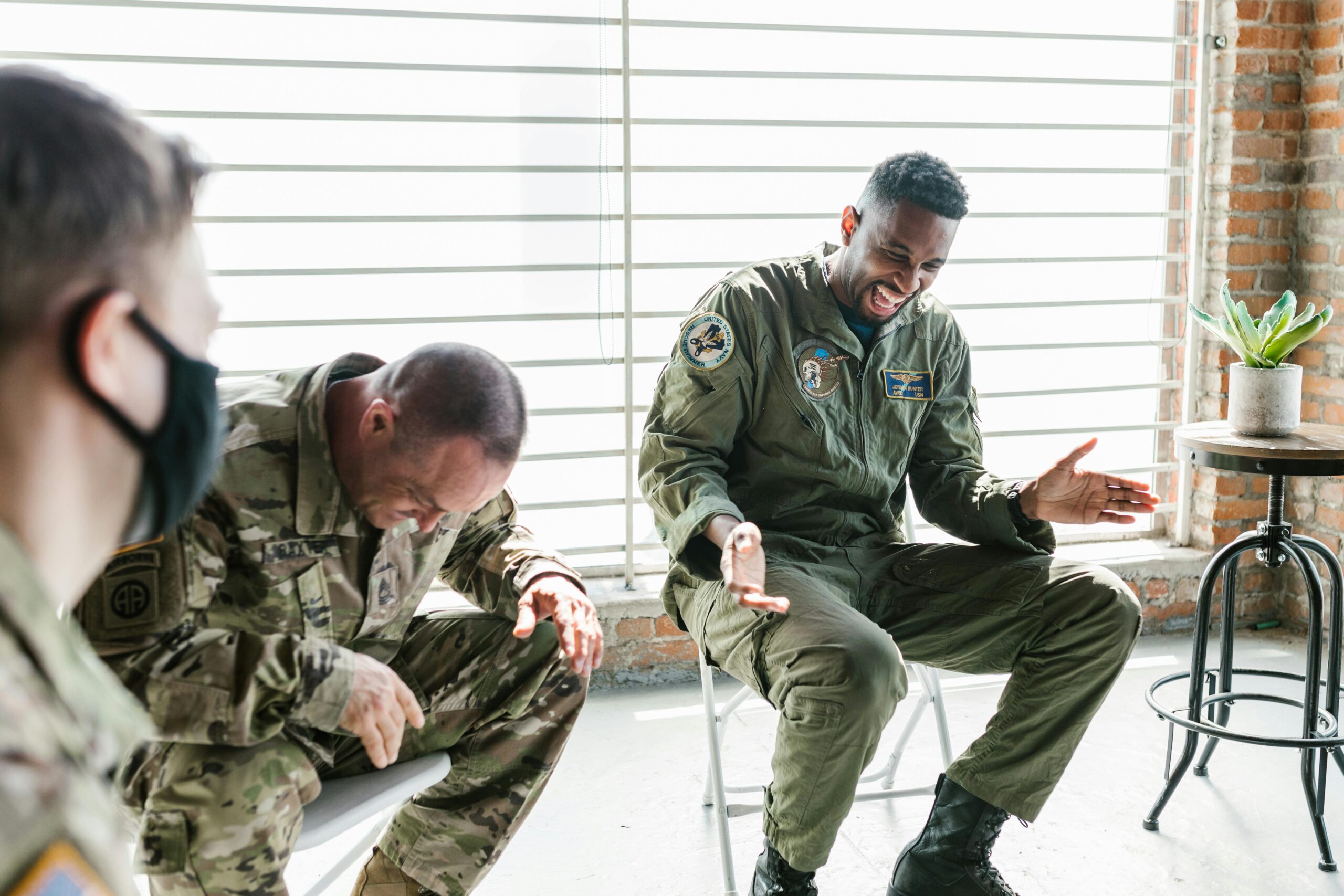
Regular team debriefs create spaces for shared processing of difficult interactions. When team members collectively discuss challenging cases, they normalize emotional responses, share coping strategies, and develop collective wisdom that individual experience alone cannot provide.
Mentorship programs pair experienced team members with newer staff, accelerating skill development while creating meaningful relationships. These connections provide emotional support during stressful periods and help newer members develop realistic expectations about the role’s demands.
Fostering Psychological Safety in Daily Operations
Teams perform best when members feel safe taking interpersonal risks. In support environments, this means feeling comfortable escalating issues, admitting knowledge gaps, and sharing when personal stress levels become unmanageable.
Leaders cultivate psychological safety through consistent behaviors: responding non-defensively to concerns, acknowledging their own mistakes, and explicitly inviting dissenting opinions. These actions communicate that team members’ well-being and honest input matter more than maintaining comfortable fictions.
Anonymous feedback mechanisms complement direct communication channels, allowing team members to surface concerns they might not feel comfortable raising publicly. Organizations should act visibly on this feedback to demonstrate that vulnerability leads to positive change rather than negative consequences.
📊 Redesigning Performance Metrics to Support Well-Being
Traditional support metrics often inadvertently increase stress while decreasing quality. Average handle time, for instance, pressures representatives to rush conversations, preventing the relationship-building that creates loyal customers and satisfying work experiences.
Progressive organizations adopt balanced scorecards that measure quality alongside efficiency. Customer satisfaction scores, first-contact resolution rates, and qualitative feedback provide more complete pictures of performance while encouraging behaviors that benefit both customers and employees.
Transparent metric communication prevents anxiety and builds trust. When team members understand how they’re evaluated and receive regular, constructive feedback, they can focus energy on improvement rather than worry. Surprise performance reviews create unnecessary stress that diminishes rather than enhances results.
Balancing Productivity with Sustainable Workloads
Sustainable performance requires realistic workload management. Organizations must resist the temptation to maximize every moment of employee time, recognizing that human beings aren’t machines that can maintain peak output indefinitely.
Workload analysis should account for interaction complexity, not just volume. Ten straightforward inquiries differ fundamentally from ten emotionally charged complaints. Sophisticated scheduling systems recognize these variations and distribute challenging interactions equitably across teams.
Buffer capacity allows teams to absorb unexpected volume spikes without triggering crisis mode. Organizations that consistently operate at maximum capacity create chronic stress and prevent the breathing room necessary for quality work and professional development.
🧠 Implementing Effective Stress Management Programs
Comprehensive stress management extends beyond occasional wellness initiatives to become embedded in organizational culture. Effective programs combine education, skill-building, and environmental changes that address stress at multiple levels simultaneously.
Mindfulness training has demonstrated particular effectiveness for support professionals. These practices enhance emotional regulation, improve focus amid distractions, and create mental distance from challenging interactions. Organizations should provide structured training rather than simply suggesting team members “be more mindful.”
Physical wellness initiatives complement mental health programs. Regular movement, adequate nutrition, and sufficient sleep form the foundation of stress resilience. Organizations that support these basics through flexible scheduling, healthy food options, and reasonable workload expectations see measurable returns.
Providing Accessible Mental Health Resources
Stigma surrounding mental health prevents many support professionals from seeking help when they need it most. Organizations should normalize mental health care by communicating clearly about available resources and demonstrating that utilizing them won’t negatively impact career progression.
Employee assistance programs provide confidential counseling and resources for various life challenges. These services become effective only when employees know they exist, understand how to access them, and trust that their usage remains genuinely confidential.
On-site or virtual mental health support removes barriers to access. When team members can connect with counselors without taking significant time away from work or navigating complex insurance systems, utilization increases substantially.
👥 Leadership’s Critical Role in Team Well-Being
Leaders set the tone for how teams approach stress and well-being. Managers who acknowledge stress, validate emotional responses, and model healthy coping behaviors create environments where team members feel supported rather than judged.
Effective support leaders develop emotional intelligence that allows them to recognize stress signals in team members before problems become crises. Regular one-on-one conversations focused on well-being alongside performance create opportunities for early intervention.
Autonomy significantly influences stress levels. Leaders who provide appropriate independence—allowing team members to make decisions about how they solve problems and structure their work—report higher team satisfaction and lower burnout rates than those who micromanage.
Training Managers as Well-Being Champions
Many support managers receive extensive training in operational efficiency but minimal preparation for supporting team mental health. Organizations should invest in developing managers’ skills in stress recognition, supportive conversations, and creating psychologically healthy team environments.
Manager training should include practical scenarios specific to support environments. Role-playing difficult conversations about workload, stress, and performance helps leaders develop confidence in addressing sensitive topics constructively.
Ongoing manager support prevents leadership burnout. Managers themselves need resources, peer networks, and organizational backing to sustain the emotional labor of supporting their teams effectively over time.
🌱 Creating Growth Opportunities and Career Pathways
Feeling trapped in a role with no advancement possibilities significantly increases stress and burnout. Clear career pathways signal that support work represents a legitimate profession with growth potential rather than a temporary position.
Professional development opportunities provide dual benefits: they build skills that improve current performance while preparing team members for advancement. Training in communication, conflict resolution, and technical knowledge enhances both job satisfaction and organizational capability.
Lateral movement opportunities prevent stagnation without requiring traditional hierarchical advancement. Team members might specialize in particular product areas, mentor newer staff, or rotate through different support channels, maintaining engagement through variety and challenge.
🔄 Designing Sustainable Work Schedules and Flexibility
Schedule design profoundly impacts stress levels and work-life balance. Support operations that provide flexibility in scheduling—allowing team members input into their hours and accommodating personal commitments—see improved retention and job satisfaction.
Compressed workweeks, flexible start times, and remote work options give team members greater control over their lives. This control itself reduces stress, even when total working hours remain constant.
Predictable scheduling allows team members to plan their personal lives effectively. Last-minute schedule changes create unnecessary stress and communicate that employee time and commitments aren’t valued. Organizations should establish advance scheduling practices that respect team members’ lives outside work.
🎓 Continuous Learning and Skill Development
Feeling competent and continuously developing reduces stress while increasing engagement. Support professionals who regularly expand their knowledge report greater job satisfaction and confidence in handling difficult situations.
Learning opportunities should extend beyond product knowledge to include soft skills like emotional intelligence, communication techniques, and stress management. These transferable skills enhance current performance while preparing team members for diverse career opportunities.
Knowledge-sharing cultures transform individual learning into collective capability. When team members regularly share insights, successful strategies, and lessons learned, the entire team’s competence increases, reducing the stress of encountering unfamiliar situations.
💡 Empowering Teams Through Technology and Tools
Well-designed support technology reduces frustration and increases efficiency, while poor systems create unnecessary stress. Organizations should involve frontline support staff in technology selection and implementation to ensure tools actually serve their needs.
Automation should handle repetitive tasks, freeing human team members for complex problem-solving and relationship-building that provide greater satisfaction. When technology augments rather than replaces human judgment, both performance and well-being improve.
Knowledge management systems provide quick access to information, reducing the stress of searching for answers while customers wait. Effective systems organize information intuitively and update continuously to reflect current products and policies.
🌟 Cultivating Purpose and Meaning in Support Work
Connecting daily work to meaningful outcomes transforms stress into challenge. When support team members understand how their efforts impact real customers’ lives and contribute to organizational success, difficult interactions feel worthwhile rather than merely draining.
Organizations should regularly share customer success stories and positive feedback with support teams. These reminders of positive impact counterbalance the negativity bias that naturally occurs when dealing primarily with problems and complaints.
Recognition programs that celebrate excellent support work validate team members’ contributions. Meaningful recognition—specific, timely, and genuine—reinforces that the organization values support work as essential rather than peripheral to business success.
🚀 Moving Forward: Sustaining Long-Term Resilience
Building resilient support teams requires sustained commitment rather than one-time initiatives. Organizations should regularly assess team well-being, solicit feedback on stress factors, and adapt approaches based on evolving needs and circumstances.
Cultural change happens gradually through consistent leadership behaviors, systematic program implementation, and organizational commitment that prioritizes long-term sustainability over short-term gains. The investment in team well-being generates returns through improved performance, reduced turnover, and enhanced customer satisfaction.
Support teams empowered with resilience skills, appropriate resources, and organizational backing don’t just survive—they thrive. These professionals deliver exceptional customer experiences while maintaining their own well-being, creating sustainable success for individuals and organizations alike.
The future of customer support depends on recognizing that technology alone cannot create exceptional experiences. Human connection, empathy, and problem-solving remain irreplaceable—but only when the humans providing them receive the support necessary to perform this demanding work sustainably. Organizations that embrace this truth position themselves for competitive advantage through genuinely superior customer care delivered by engaged, resilient teams.