Warranty and liability cost modeling transforms how businesses manage financial risk, protect margins, and ensure long-term sustainability in competitive markets.

🎯 Understanding the Foundation of Warranty and Liability Cost Modeling
In today’s complex business environment, understanding warranty and liability costs isn’t just about accounting—it’s about strategic financial management. Companies across manufacturing, technology, automotive, and consumer goods sectors face mounting pressure to accurately predict, manage, and optimize these expenses while maintaining customer satisfaction and regulatory compliance.
Warranty and liability cost modeling represents a systematic approach to forecasting, tracking, and managing the expenses associated with product defects, service failures, and legal obligations. When implemented effectively, this practice enables organizations to make informed decisions about pricing, product development, quality control, and risk mitigation strategies.
The financial impact of inadequate warranty modeling can be devastating. Studies show that warranty costs typically range from 2% to 10% of total revenue depending on the industry, with some sectors experiencing even higher percentages. Without proper modeling, companies risk significant budget overruns, eroded profit margins, and damaged brand reputation.
📊 The Critical Components of Effective Cost Modeling Systems
Building a robust warranty and liability cost model requires integrating multiple data sources and analytical methodologies. The foundation rests on understanding product lifecycles, failure patterns, claim histories, and market dynamics that influence warranty expenses over time.
Data Collection and Quality Management
Accurate cost modeling begins with comprehensive data collection. Organizations must systematically gather information from warranty claims, customer service interactions, product returns, field service reports, and manufacturing quality metrics. This data provides the empirical foundation for predictive modeling and trend analysis.
Data quality directly impacts model accuracy. Companies should implement standardized data capture protocols, ensure consistent categorization of failure modes, and maintain detailed records of repair costs, replacement expenses, and administrative overhead. Clean, well-structured data enables more precise forecasting and better strategic decision-making.
Statistical Modeling Techniques
Modern warranty cost modeling employs various statistical approaches to predict future expenses. Time-series analysis identifies seasonal patterns and trends in claim frequency. Regression models correlate warranty costs with production volumes, product features, and market conditions. Survival analysis techniques estimate the probability of failure over product lifetimes.
Advanced organizations incorporate machine learning algorithms that identify non-linear relationships and complex patterns in warranty data. These sophisticated models can detect emerging quality issues before they escalate into major financial liabilities, providing early warning systems for potential problems.
💡 Strategic Benefits of Mastering Cost Modeling
Organizations that excel at warranty and liability cost modeling gain significant competitive advantages. These benefits extend beyond simple cost containment to influence product development, customer relationships, and overall business strategy.
Enhanced Budget Accuracy and Financial Planning
Precise cost modeling eliminates guesswork from financial planning. Finance teams can set realistic warranty reserves, allocate resources effectively, and avoid the cash flow disruptions caused by unexpected claim surges. This predictability enables better capital allocation decisions and improved investor confidence.
Companies with mature modeling capabilities typically reduce variance between projected and actual warranty expenses by 40-60%. This accuracy directly translates to more reliable earnings forecasts, reduced financial volatility, and stronger balance sheet management.
Optimized Product Design and Quality Improvement
Warranty data reveals which components fail most frequently, under what conditions failures occur, and which design elements create the greatest financial liability. Engineering teams can use these insights to prioritize design improvements, select more reliable suppliers, and implement preventive measures that reduce long-term warranty exposure.
The feedback loop between warranty modeling and product development creates continuous improvement cycles. Each product generation incorporates lessons learned from previous warranty experiences, progressively reducing failure rates and associated costs while enhancing customer satisfaction.
🔧 Building Your Warranty Cost Modeling Framework
Implementing an effective cost modeling system requires methodical planning, cross-functional collaboration, and sustained organizational commitment. The following framework provides a roadmap for organizations at any stage of maturity.
Phase One: Assessment and Foundation Building
Begin by evaluating current warranty management practices, data availability, and organizational capabilities. Identify gaps in data collection, analyze existing cost tracking systems, and benchmark against industry standards. This assessment reveals opportunities for improvement and helps prioritize implementation efforts.
Establish clear objectives for your modeling initiative. Define specific metrics for success, such as forecast accuracy targets, cost reduction goals, and timeline expectations. Secure executive sponsorship and allocate appropriate resources to ensure the initiative receives necessary support and attention.
Phase Two: System Design and Data Integration
Design the technical infrastructure to support your modeling requirements. This typically involves integrating warranty claim systems, ERP platforms, customer relationship management tools, and quality management databases into a unified analytics environment.
Develop standardized processes for data collection, validation, and enrichment. Create data dictionaries that ensure consistent terminology across departments. Implement automated data quality checks that flag anomalies and inconsistencies before they compromise model accuracy.
Phase Three: Model Development and Validation
Select appropriate modeling methodologies based on your product characteristics, industry dynamics, and available data. Start with simpler approaches and progressively add complexity as your capabilities mature. Common starting points include moving averages, exponential smoothing, and basic regression analysis.
Validate models using historical data to assess predictive accuracy. Employ techniques like backtesting, where models predict known outcomes from past periods, enabling objective evaluation of forecasting performance. Continuously refine model parameters based on validation results and emerging patterns.
⚙️ Advanced Techniques for Risk Quantification
Sophisticated warranty cost modeling extends beyond point estimates to quantify uncertainty and assess risk distributions. These advanced techniques provide decision-makers with richer information about potential outcomes and associated probabilities.
Monte Carlo Simulation for Uncertainty Analysis
Monte Carlo methods generate thousands of possible scenarios by varying key assumptions within defined probability distributions. This approach produces comprehensive views of potential cost outcomes, including best-case, worst-case, and most-likely scenarios with associated confidence intervals.
These simulations help organizations understand tail risks—low-probability but high-impact events that could significantly exceed expected warranty costs. By quantifying these risks, companies can make informed decisions about risk transfer mechanisms like insurance or extended warranty programs.
Scenario Planning and Stress Testing
Complement statistical models with structured scenario analysis that explores how specific events might impact warranty costs. Consider scenarios like major quality recalls, regulatory changes, economic downturns affecting repair networks, or emerging competitive dynamics that alter customer expectations.
Stress testing evaluates model performance under extreme conditions. What happens if claim frequency doubles? How do costs escalate if key supplier quality deteriorates? These exercises identify vulnerabilities in your warranty strategy and inform contingency planning efforts.
📈 Translating Models into Actionable Business Intelligence
The ultimate value of warranty cost modeling lies in actionable insights that drive better business decisions. Models must be translated into clear recommendations that resonate with diverse stakeholders across the organization.
Executive Dashboards and Performance Metrics
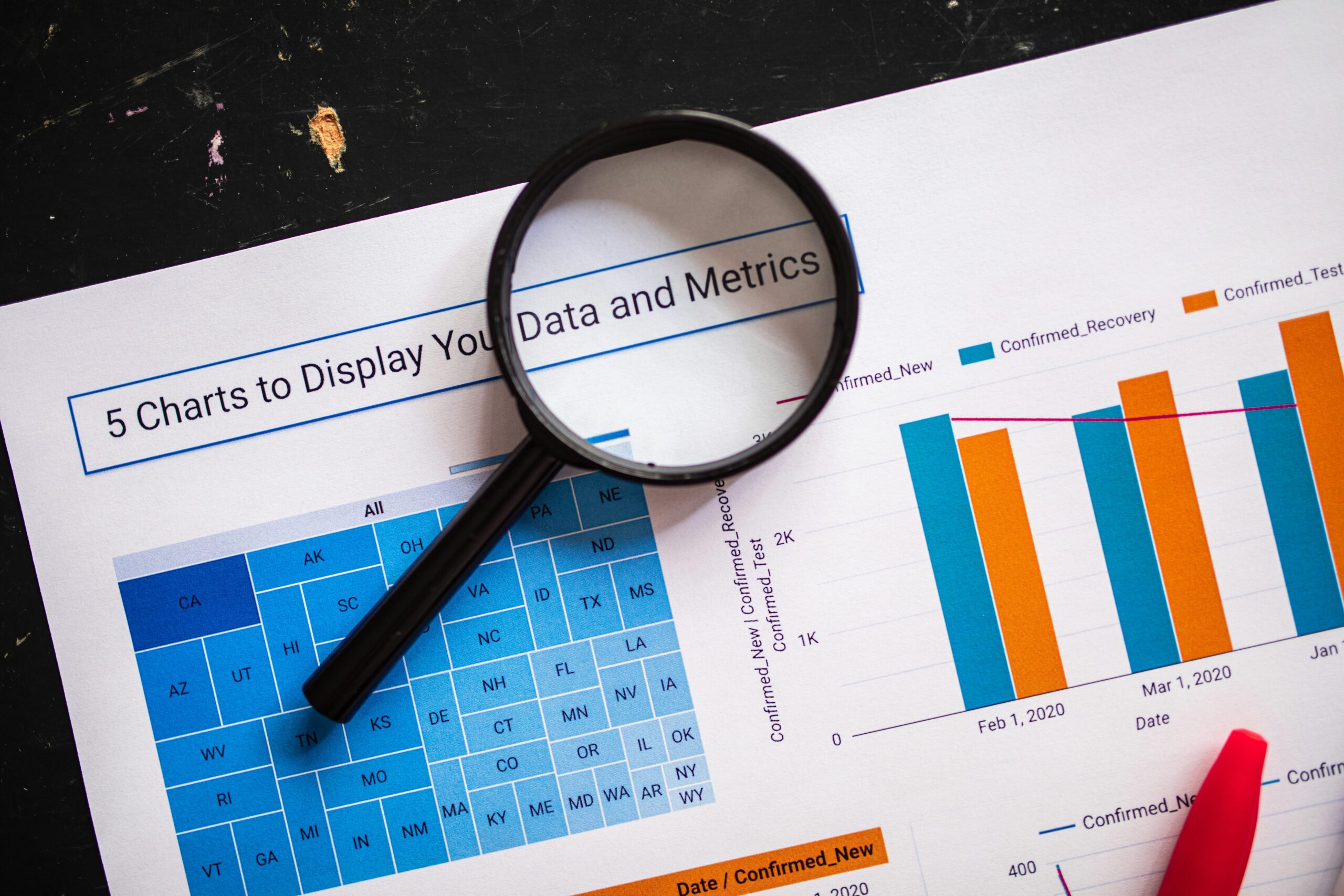
Create intuitive dashboards that present key warranty metrics in accessible formats. Executive stakeholders need high-level visibility into warranty cost trends, forecast accuracy, emerging risks, and progress against targets. Visualization techniques like heat maps, trend charts, and variance analyses communicate complex information effectively.
Establish key performance indicators (KPIs) that align warranty management with broader business objectives. Common metrics include warranty costs as a percentage of revenue, cost per unit sold, average claim resolution time, repeat failure rates, and customer satisfaction scores related to warranty experiences.
Product-Specific Cost Attribution
Allocate warranty costs to specific product lines, models, or components to identify profitability implications accurately. This granular attribution reveals which products generate positive margins after warranty expenses and which require pricing adjustments, design improvements, or even discontinuation.
Product portfolio decisions become more informed when warranty cost implications are clearly understood. New product launches can incorporate realistic warranty provisions based on comparable historical experiences. Pricing strategies can reflect true lifecycle costs rather than underestimating post-sale obligations.
🌐 Industry-Specific Modeling Considerations
Different industries face unique warranty and liability challenges that require tailored modeling approaches. Understanding these nuances ensures models accurately reflect specific business realities.
Automotive and Heavy Equipment
Automotive warranty modeling must account for complex component interactions, extended product lifespans, and diverse operating environments. Models incorporate mileage-based failure patterns, geographical variations in climate impacts, and the cascading effects where one component failure triggers others.
Commercial equipment warranties often include performance guarantees and uptime commitments that create financial exposure beyond simple repair costs. Models must quantify productivity losses, penalty clauses, and the reputational risks associated with performance shortfalls.
Consumer Electronics and Technology
Technology products face rapid obsolescence that concentrates warranty exposure into shorter timeframes. Models must account for early-life failures, software-related issues, and the cost implications of replacing products with improved newer versions rather than repairing older models.
The proliferation of software updates and firmware patches creates both opportunities and challenges. While updates can resolve issues remotely at minimal cost, they also introduce potential new failure modes that must be monitored and incorporated into ongoing cost projections.
Medical Devices and Pharmaceuticals
Healthcare products carry heightened liability risks given patient safety implications. Modeling must account for stringent regulatory requirements, potential litigation costs, and the reputational damage associated with adverse events. Conservative assumptions and substantial risk buffers are appropriate given the potential magnitude of liability exposures.
Post-market surveillance data provides critical inputs for medical device warranty models. Adverse event reports, field safety notices, and regulatory inspections offer early indicators of emerging issues that require proactive management and financial provisioning.
🚀 Leveraging Technology to Enhance Modeling Capabilities
Modern technology platforms dramatically enhance warranty cost modeling capabilities through automation, advanced analytics, and real-time monitoring. Strategic technology investments amplify the value organizations derive from their modeling efforts.
Artificial Intelligence and Predictive Analytics
AI-powered systems detect subtle patterns in warranty data that human analysts might overlook. Natural language processing extracts insights from unstructured claim descriptions, identifying emerging issues through text analysis. Predictive algorithms forecast failure probabilities at individual product serial number levels, enabling targeted interventions.
Machine learning models continuously improve as they process new data, automatically adapting to changing patterns without manual recalibration. This self-improving capability ensures models remain accurate even as product mix, manufacturing processes, and market conditions evolve.
Internet of Things Integration
Connected products transmit operational data that revolutionizes warranty modeling. Real-time telemetry reveals how products are actually used in the field, identifying usage patterns that correlate with failures. Predictive maintenance algorithms detect anomalies that indicate impending failures, enabling proactive service before warranty-covered breakdowns occur.
IoT data reduces warranty costs through early intervention while simultaneously improving model accuracy by providing granular failure context. Understanding the specific operating conditions preceding failures enables more precise risk segmentation and targeted quality improvements.
💼 Organizational Excellence in Warranty Management
Technical modeling capabilities must be complemented by organizational structures, processes, and culture that support effective warranty cost management. Excellence requires cross-functional collaboration and sustained leadership commitment.
Cross-Functional Governance Structures
Establish warranty councils or steering committees that bring together representatives from finance, engineering, quality, customer service, and legal departments. These forums review modeling outputs, discuss emerging trends, make decisions about warranty policy changes, and ensure coordinated responses to significant cost drivers.
Clear accountability frameworks define roles and responsibilities for warranty management. While finance typically owns the cost modeling process, engineering owns failure mode analysis, quality manages root cause investigations, and customer service handles claim processing. Effective collaboration across these functions drives superior outcomes.
Continuous Improvement Culture
Foster organizational mindsets that view warranty costs as improvement opportunities rather than inevitable expenses. Celebrate teams that identify cost-saving initiatives, implement design improvements that reduce failures, or develop process enhancements that accelerate claim resolution while reducing administrative overhead.
Regular training ensures personnel understand their roles in managing warranty costs. Customer service representatives who understand cost implications make better decisions about claim approvals. Engineers who see warranty feedback as valuable design input create more reliable products. Finance teams who understand operational realities build more realistic models.
🎓 Best Practices for Sustained Success
Organizations that maintain excellence in warranty cost modeling over time follow proven best practices that institutionalize capabilities and drive continuous improvement.
Regular model reviews ensure assumptions remain valid as business conditions change. Quarterly assessments compare actual results against forecasts, investigating significant variances to understand root causes. Annual comprehensive reviews evaluate whether fundamental model structures remain appropriate or require updating.
Benchmark against industry peers and leading organizations to identify improvement opportunities. Participate in industry forums, engage with academic researchers, and monitor emerging best practices. External perspectives prevent complacency and inspire innovation in modeling approaches.
Document modeling methodologies, assumptions, and decision criteria thoroughly. Comprehensive documentation ensures continuity when personnel change, facilitates external audits, and supports regulatory compliance requirements. Well-documented processes also enable efficient onboarding of new team members.
Invest in ongoing capability development through training, technology upgrades, and process refinement. Warranty modeling expertise represents a sustainable competitive advantage that compounds over time as organizational capabilities mature and data histories deepen.
🔮 Future Trends Reshaping Warranty Cost Management
The warranty management landscape continues evolving rapidly, driven by technological advancement, changing customer expectations, and new business models. Forward-thinking organizations position themselves to capitalize on emerging trends.
Subscription and usage-based business models fundamentally alter warranty dynamics. When customers pay for outcomes rather than products, providers assume greater operational risk but also gain better data about actual usage patterns. Cost models must adapt to these new commercial structures and their unique risk profiles.
Blockchain technology promises enhanced transparency in warranty claim processing and supply chain quality management. Immutable records of maintenance histories, component provenance, and claim resolutions could reduce fraud while improving data quality for modeling purposes.
Sustainability pressures influence product design choices with warranty implications. Extended product lifespans, repairability requirements, and circular economy principles may increase immediate warranty costs while reducing environmental impacts and enhancing brand value among increasingly conscious consumers.
Regulatory environments continue evolving, with many jurisdictions extending mandatory warranty periods, expanding consumer protection rights, and imposing stricter product liability standards. Models must incorporate changing legal landscapes and associated compliance costs into long-term projections.

✅ Implementation Roadmap for Immediate Action
Organizations ready to enhance warranty cost modeling capabilities can begin with practical steps that deliver immediate value while building foundations for long-term excellence.
Start by conducting a comprehensive warranty data audit. Catalog available information sources, assess data quality, identify gaps, and prioritize data collection improvements. Clean, comprehensive data represents the foundation for all subsequent modeling efforts.
Develop baseline models using existing data and simple methodologies. Even basic statistical approaches provide value when replacing purely judgmental estimates. Early models establish benchmarks for measuring subsequent improvements and demonstrate value to secure ongoing investment.
Identify quick-win opportunities where modeling insights can drive immediate cost reductions. Perhaps certain failure modes occur disproportionately and represent clear improvement targets. Maybe specific products consistently exceed warranty budgets and require urgent attention. Demonstrating tangible results builds organizational support for broader initiatives.
Build analytical capabilities through training, hiring, or partnerships with specialized consultancies. Developing internal expertise provides sustainable advantages, though external specialists can accelerate initial implementation and transfer knowledge to internal teams.
The journey toward warranty cost modeling excellence represents a strategic investment that pays dividends through improved financial performance, enhanced product quality, and stronger competitive positioning. Organizations that commit to this journey position themselves for sustained success in increasingly competitive global markets where operational excellence separates leaders from followers.